The chem is mitier than the swarm

Bee Plate

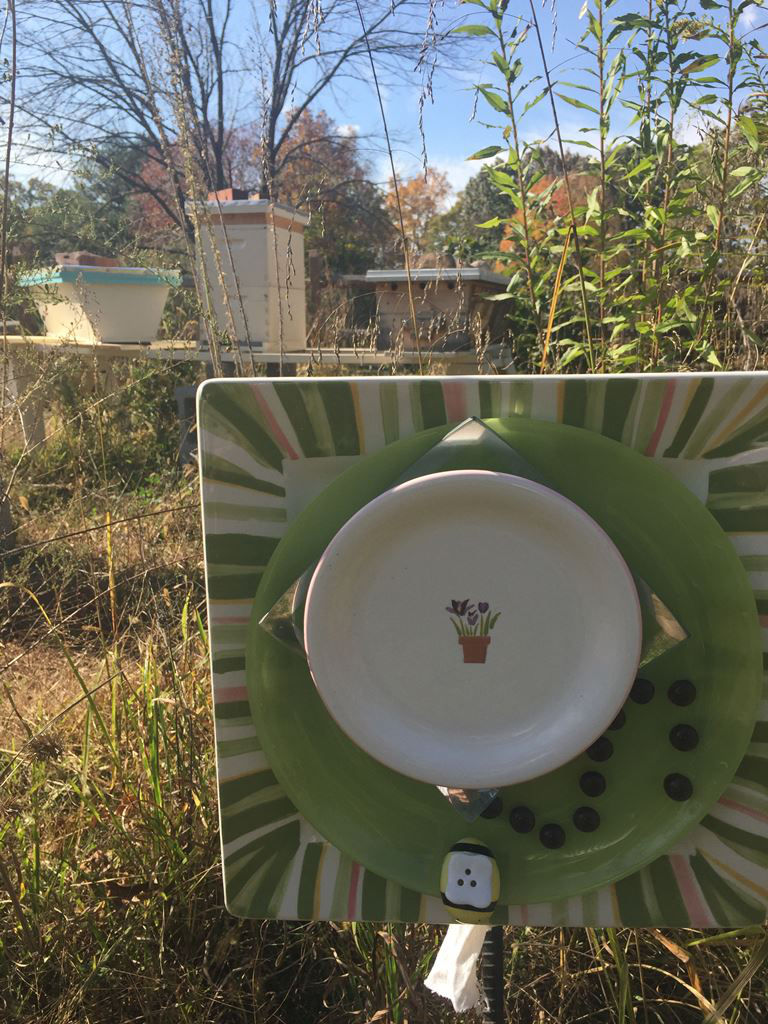
A recent gift from my crafty neighbor in the bee yard. It shows a bee flying in front of a flower. Too cute! ©Erik Brown

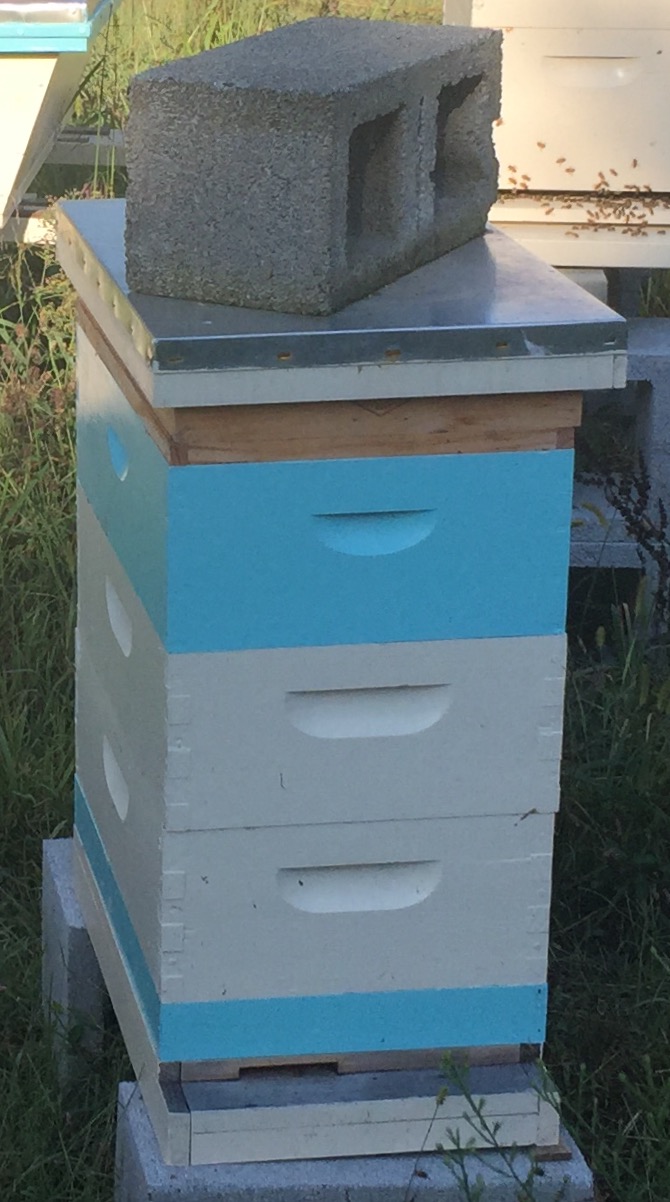
My two original Langstroth hives, Mars and Jupiter, have had their ups and downs this year. Mars did well, but then had queen issues. Jupiter survived a split, a swarm that I caught, and likely another swarm that I missed. Both hives are going into winter and I have been checking mite drops on the bottom board of both hives lately.

This is their story.

Continue reading

Eat, drink, and bee merry

In Virginia, we have six to eight weeks of summer dearth followed by an unreliable fall, so the best nectar the bees see is in spring and early summer. Last year, in my first year of beekeeping, another beekeeper told me to feed my hives in August and September. Otherwise they will eat much of their stores and not have enough for winter. Well, it turns out he was correct. Continue reading

Varroa Mitey, the undefeated, inscrutable to the last

Our local bee club hosted Dr. Meghan Milbrath yesterday. It was free event open to the public and we had some 80 to 100 people show up. Dr. Milbrath spoke on the topic of “Towards Treatment Free” and I thought I would provide a brief summary.

161018-milbrath

Dr. Milbrath at the start of her talk. © Erik Brown

Continue reading

And so bee-come yourself

pwswcd-logoThis past Thursday found me at the Prince William Soil and Water Conservation District (PWSWCD) (link) Farm Field Days 2016. The annual event at our county fairgrounds brings fourth graders from across Prince William County (where I live!) to learn about agriculture and conservation. It is mostly volunteer supported, and I was happy to participate. Continue reading

Bee right as rain

161001c-mars-feederI am in the sky at 34,002 feet as I write this, on my way to California and thinking about my rain-sodden bees in Virginia. Northern Virginia had five days of solid rain, well over 5 inches (12 cm) of water at our house. The bees (and the people) have been huddled away waiting for it to end. As I left the house the sun peered out to see what was left of the land.

With fall firmly in place, I naturally wonder whether the bees have enough food for the winter. Last year I was able to bring my three hives through to the spring. I hope my five hives will do the same for my second winter with bees. Yesterday I provided some additional food for some of the hives to help pull them through. Continue reading

If you feed a bee, you’ll have a hive

I could have called this To Feed or Not To Feed, though I used that quote a while ago. This is an age-old dilemma for beekeepers in the fall, as natural honey from real nectar is the best food for bees. However, if the hive runs out in the winter, the bees will die of starvation. So should you feed, or not? That is the question.

Last year my hives did just fine, though I did feed them some. Going into winter my top bar hive Venus had about 12 combs with honey, while my two Langs Mars and Jupiter had a deep-medium-medium and a deep-medium respectively.

This year I have some hives with great stores of honey, and others with not so much. One challenge with the different frame sizes in my hives is that it makes it hard to move stores around. Mars and Jupiter have medium frames, Ganymede has deeps, Venus has 14-inch top bars, and Saturn has 19-inch top bars. Something to address next year, perhaps.

This is my first post written on an iPhone, so my formatting options are limited. Here is the story of my decisions to feed in pictures.
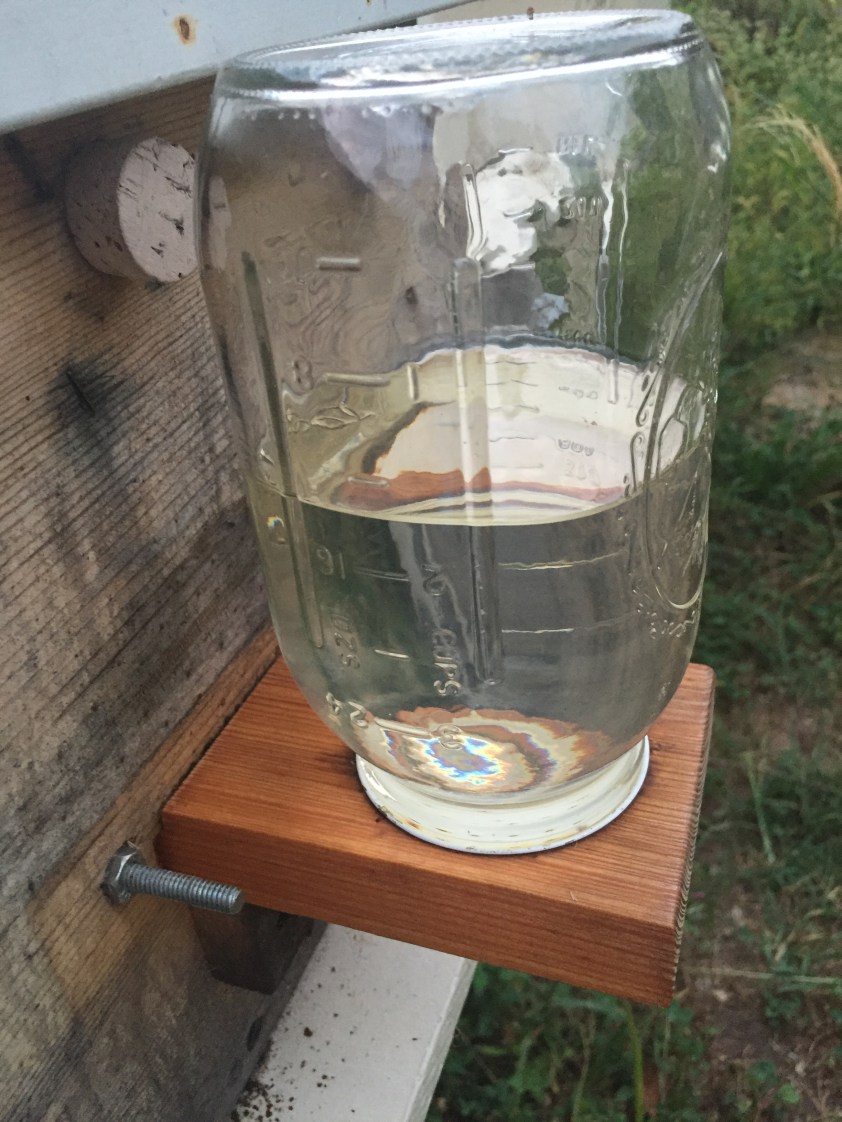

Venus lost her queen in May and the population dwindled until the new queen’s offspring emerged toward the end of June. The hive was low on food and bees going into our traditional summer dearth, so I used this Boardman feeder to provide sugar syrup. The feeder is at the back of the hive, which keeps it far from potential robbers.

Mars must have swarmed late, as I found only queen cups and a low bee population mid-June. Stores were low and I was again worried about a summer dearth, so I used the top feeder that you can see in this image.
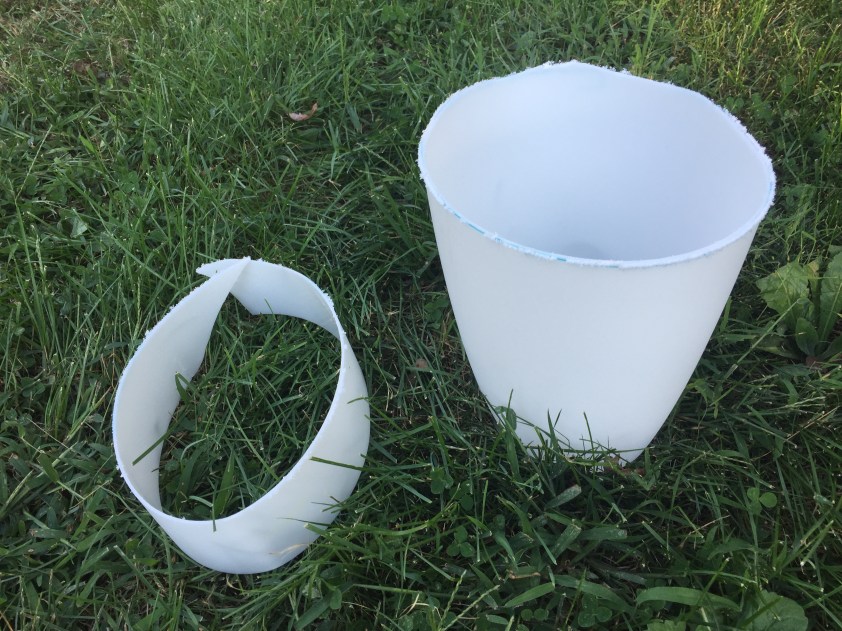
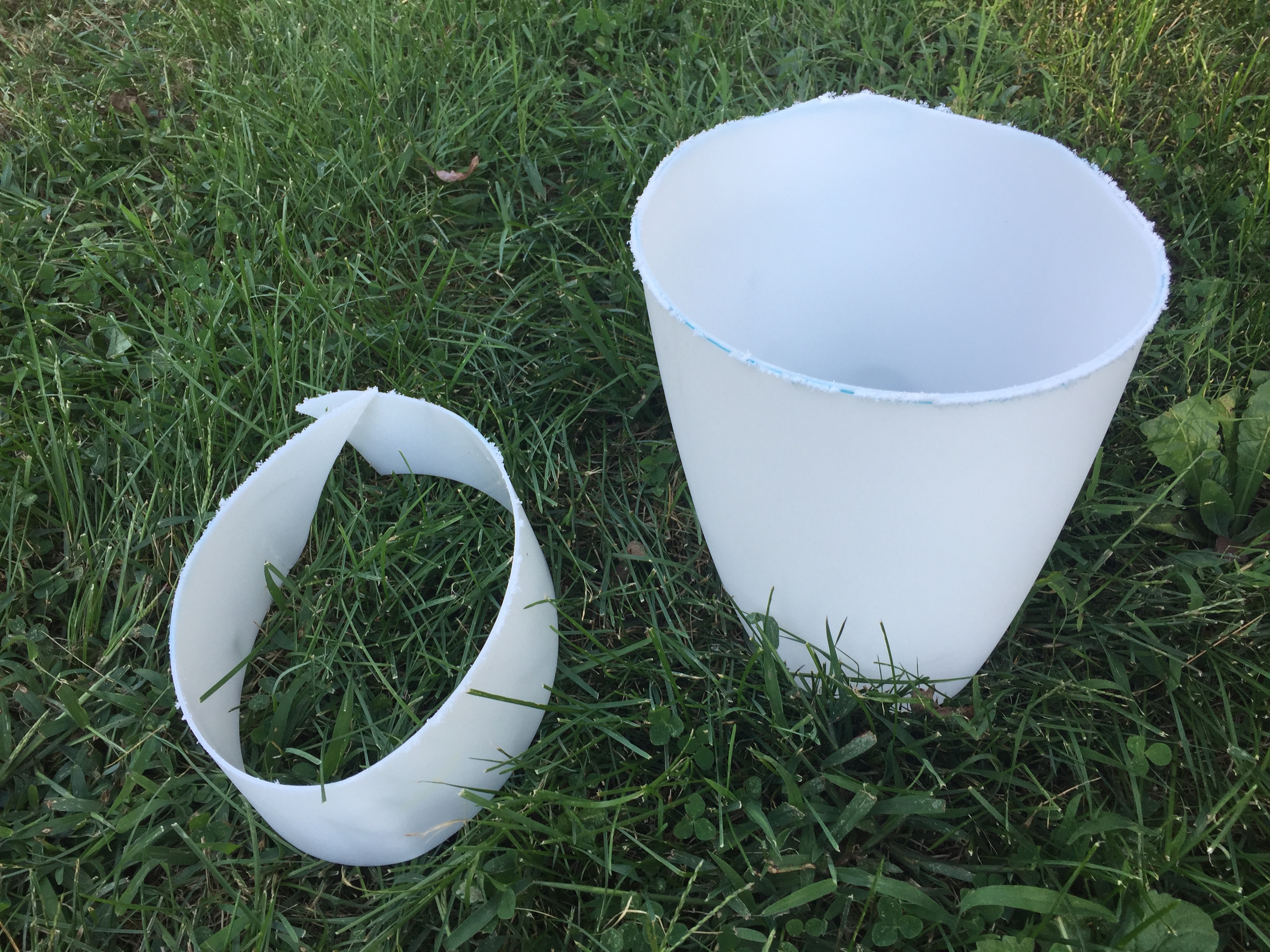
I thought our hive Saturn was well off, then I did a full inspection on August 28. Much more brood and bees than honey, so I felt the need to intervene. For this hive I used Wyatt Magnum’s suggestion of cutting down a plastic trash bin. This shows the bin with the top cut off.


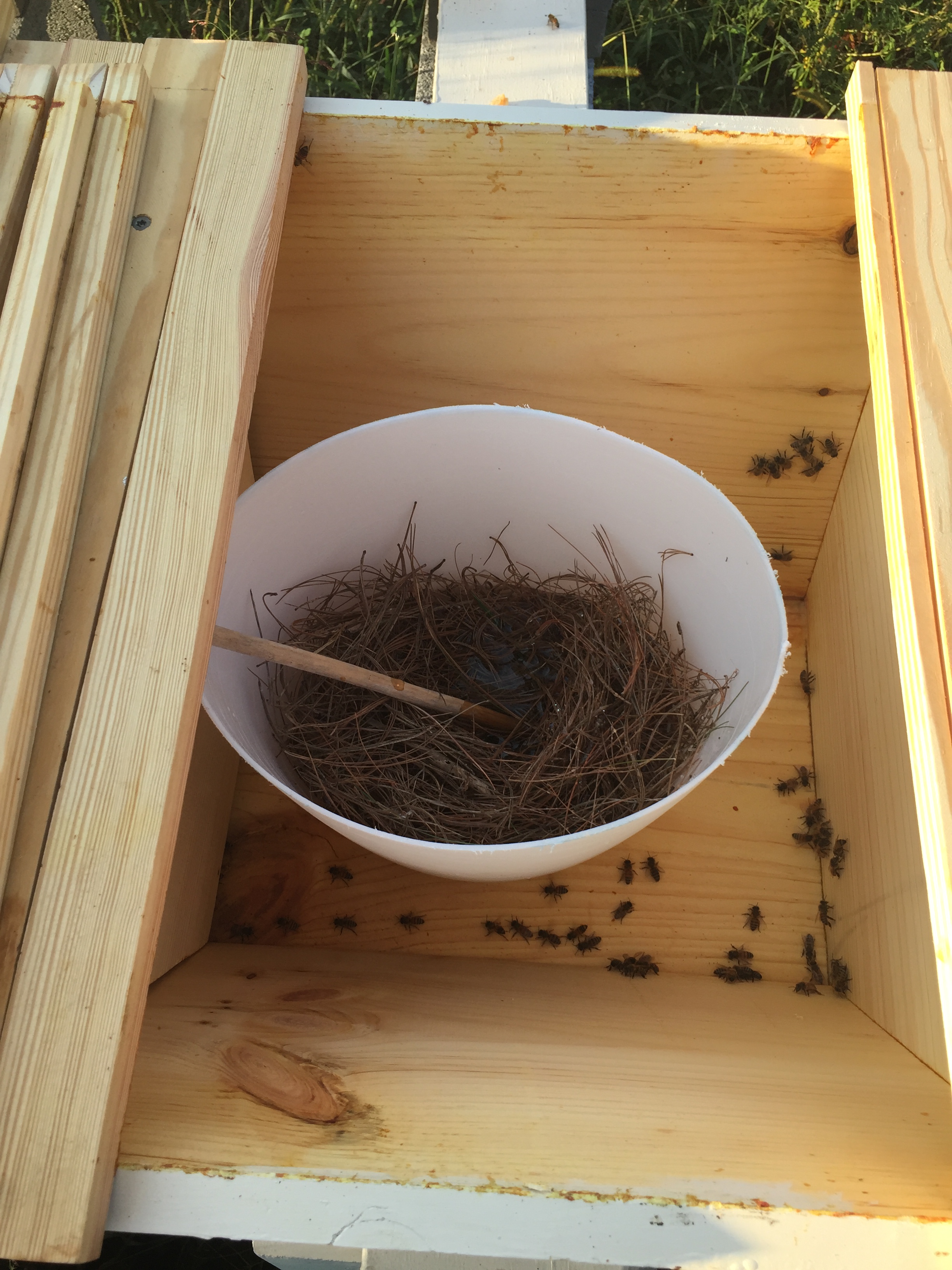
The bin fits nicely in the back of Saturn behind the follower board. The bees cleaned it out in less than a week. 

Of course, a couple days after feeding Saturn the bees got active again. Lots of pollen, as you can see here. Hopefully some good nectar too. 


If you feed a pig, you’ll have a hog

This proverb comes from The Dictionary of American Proverbs. Apparently you make a hog by feeding a pig a lot. Who knew! The book says this was recited in North Carolina, and originally appeared in Thomas Fuller’s 1732 book Gnomologia: adagies and proverbs

I thought my modified title was apropos for a post on feeding my hives. In case you were wondering, writing on an iPhone is much more limiting than on a PC. It appears to work, though. 

There’s always room at the top bar hive


160904b Saturn Queen

My lovely queen in my top bar hive “Saturn” on September 4, 2016.

As you may recall, I two top bar hives. My original TBH I purchased last year, which has 14 inch top bars and has overwintered. Then I caught a swarm in a new TBH my dad and I built, which has 19 inch top bars. Thus both are top bar hives, but they are somewhat incompatible. Here is an update of their status. Continue reading

It bee better to give than to receive

160821a Apiary

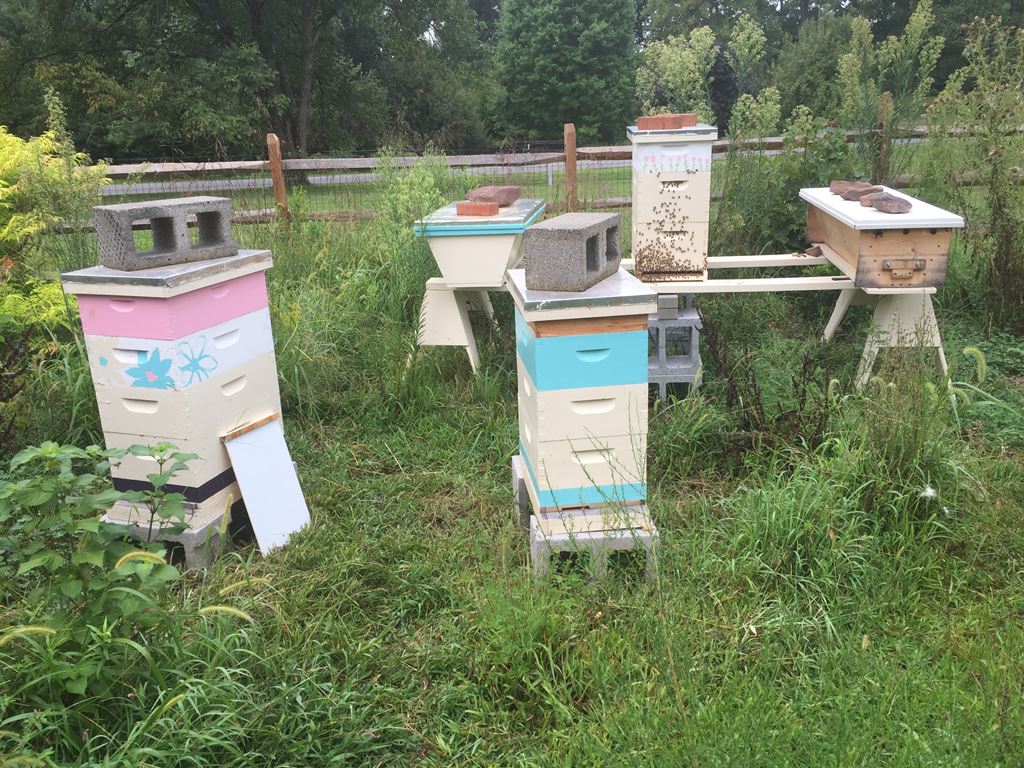
The yard on August 21, 2016. (c) Erik Brown

As my second beekeeping summer comes to a close, it is the time of year when beekeepers count the many pounds of honey collected from their hives, and answer the age-old question of how to handle the dreaded varroa mite.

This year I gathered my first honey, a grand total of nearly 6 cups worth. As another local beekeeper put it, the price per pound of that honey is pretty steep. Beekeeping equipment is not cheap, bees are not cheap, and our time is somewhat precious. All for a few jars of honey. Perhaps it is more about the love of bees and the joy of a hobby, at least for me. Continue reading

I’ve got my mind on my honey


160806a Strainer

My two bucking crush & strain system

I stole a frame from our hive Mars recently. While I wasn’t exactly sure how much honey one medium Lang frame would produce, I was ready to find out. Also, I really wanted to try the two-bucket straining system I bought from Brushy Mountain earlier this year.

You may recall that I bottled a single jar of honey in the spring. That was a very clear spring honey, tasty and not too sweet. It was good, though I was hoping the summer honey would be a little sweeter. I’d read that honey tends to get darker as the season goes on. Continue reading

To every hive there is a season

160730 Butterfly

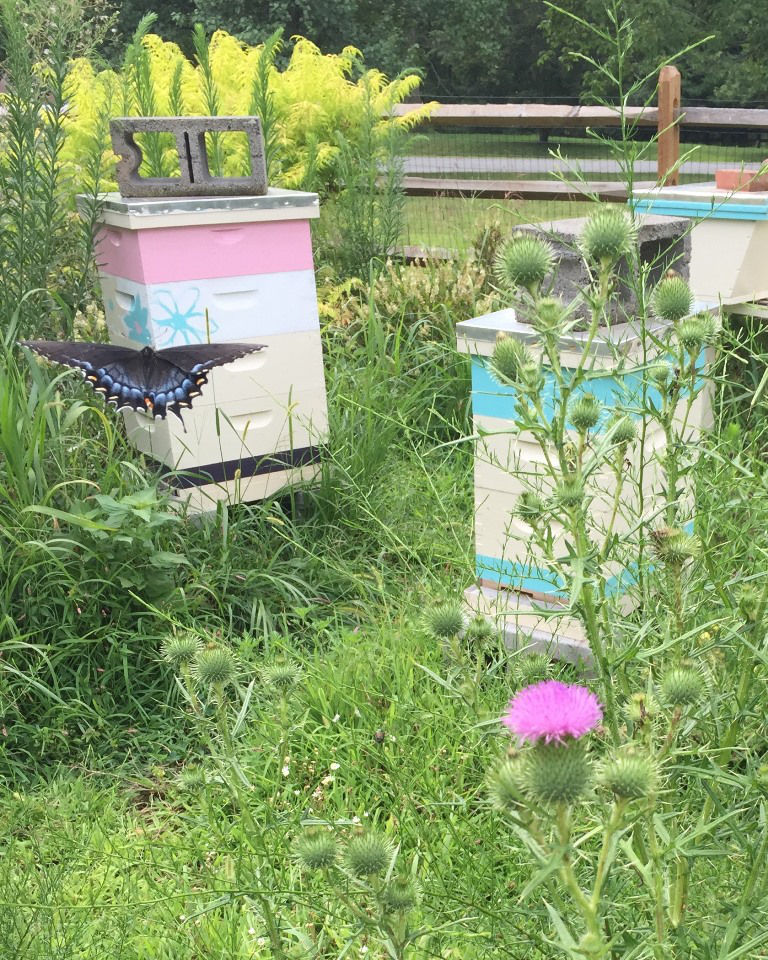
A butterfly in the bee yard, with Mars and Jupiter in the background. © Erik Brown

In my second year, I have become a lazy beekeeper. Last year, oh so long ago, I inspected each hive every week or two. I visited the apiary nearly every day to visually check the hives. I kept close tabs on their progress, and worried about the many things that could go wrong.

This year the bees have been fine, doing their bee stuff, and I’ve been working, travelling, and otherwise not looking in on them.

For much of July this bothered me, and I felt guilty that I left the bees to their own designs. It was hot, many days over 100 F (38 C), and I was on the road one way or another for three out of the last four weeks. I just didn’t feel up to checking the hives, so I didn’t. I finally got into my five hives this weekend, and for the most part the bees are fine. Given my lack of blogging lately as well, I figured it was time for an update. Continue reading